

Industry Collections
Construction Collections: How Contractors and Suppliers Collect Unpaid Invoices Before the Lien Deadline
By Sven Nelson Updated
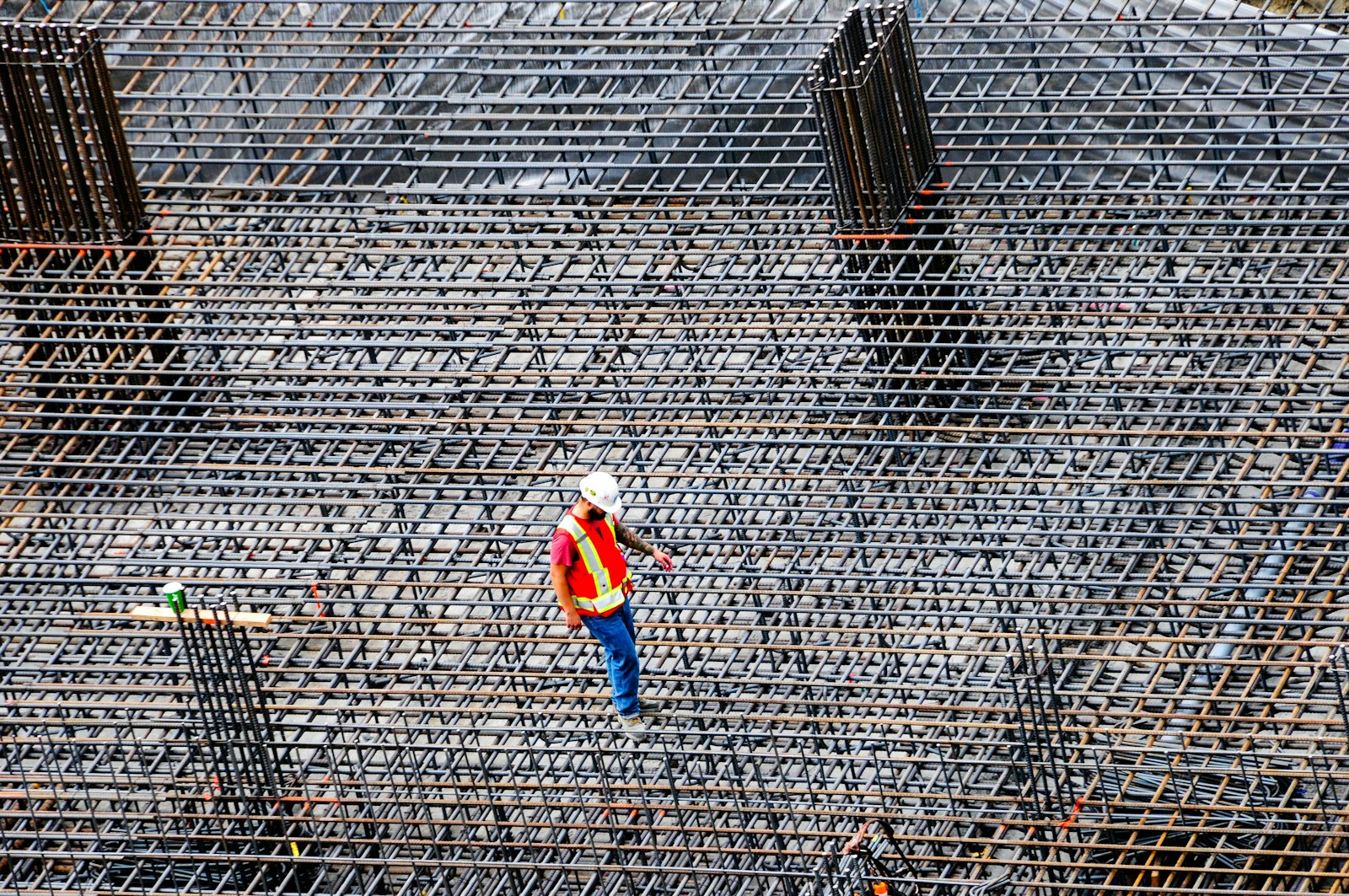
Photo by Toni Reed on Unsplash
Construction collections run on two clocks at once. The first is the ordinary one every creditor has: how long you can wait before a past-due invoice becomes hard to collect. The second is the lien and bond deadline, and it is short, strict and measured from the day you furnished labor or materials, not the day you sent the invoice. Miss it and a secured claim against the project turns into an unsecured one against a customer who is already not paying.
That is why a subcontractor, equipment rental house or building supply yard cannot treat a slow-paying general contractor like any other slow account. The leverage in a construction receivable is tied to dates on the job, and most of those dates are set at the start of the project, long before anyone knows the bill will go bad. Here is how contractors and suppliers protect those dates, and when a construction collection agency should take over the account.
Key takeaways- A mechanic’s lien deadline and the statute of limitations on the debt are two different clocks. The lien clock is much shorter, and missing it leaves the debt collectible but unsecured.
- In Arizona, a claimant generally must serve a preliminary twenty day notice within 20 days of first furnishing, record the lien within 120 days after completion (or 60 days after a recorded notice of completion), and sue to foreclose within six months of recording.
- Federal construction jobs cannot be liened. The Miller Act payment bond replaces the lien, with a 90 day notice rule for second tier claimants and a one year deadline to sue.
- The documents that win a construction claim are the credit application, the purchase orders, signed delivery tickets, the preliminary notice with proof of mailing, and every lien waiver you signed.
- Place a construction account before the lien or bond deadline is close, not after it has passed. Deadlines vary by state, so confirm yours with a construction attorney.
Why do construction receivables need a different collection approach?
Direct answerBecause payment in construction flows down a chain, from owner to general contractor to subcontractor to supplier, and each link has a reason to hold money. The creditor’s strongest leverage is a lien or payment bond claim, and those rights expire on statutory deadlines tied to the work, so waiting costs more here than in most B2B industries.A distributor selling to a manufacturer has one customer and one invoice. A plumbing supply house selling to a mechanical subcontractor has a customer who is waiting on a general contractor, who is waiting on a draw from the owner’s lender, who is waiting on an inspection. Retainage gets held back. A pay-if-paid clause in the subcontract gets quoted back to you. A change order nobody signed becomes the reason the whole pay application is short.
None of that erases what you are owed. It does mean the polite 30, 60, 90 day reminder cadence that works in other industries can walk a construction creditor right past the dates that matter. By the time a supplier decides the account is truly bad, the job may be finished, the completion clock may have started, and the lien window may be half gone.
What is the difference between a lien deadline and the statute of limitations?
Direct answerA mechanic’s lien is security against the improved property, and the deadline to record and enforce it is short, often measured in months. The statute of limitations governs how long you can sue on the underlying contract, often measured in years. Losing lien rights does not cancel the debt. It removes the property as a source of payment.Creditors mix these up constantly, and the mistake runs in both directions. Some give up on an account because “the lien deadline passed,” when the contract claim is still years from expiring. Others assume that because the statute of limitations is long, there is no rush, and they lose the one remedy that would have made the owner and lender care about their invoice.
Arizona shows the gap clearly. Under A.R.S. 12-548, an action on a debt founded on a written contract executed in Arizona generally must be brought within six years. The lien on the same job, as the next section shows, lives or dies within months. For the full picture on the contract side, see our guide to how long a Phoenix business has to collect a debt.
How do mechanic’s lien deadlines work in Arizona?
Direct answerArizona uses three main dates. Serve a preliminary twenty day notice within 20 days after first furnishing labor or materials (A.R.S. 33-992.01). Record the notice and claim of lien within 120 days after completion, or 60 days after a notice of completion is recorded (33-993). Bring an action to foreclose within six months after recording (33-998).The preliminary notice is where most suppliers lose their rights without knowing it. Section 33-992.01 makes the written notice a “necessary prerequisite to the validity of any claim of lien,” and it has to go to the owner, the original contractor, the construction lender if there is one, and the party that bought from you. A late notice is not worthless, but it only protects what you furnished within 20 days before you served it and afterward. A yard that sends notices only once an account looks shaky has already given up everything it delivered earlier on that job.
Completion is a defined term, not a feeling. Under 33-993 it is generally the earlier of 30 days after final inspection and written final acceptance, or 60 consecutive days with no labor on the job, with exceptions for strikes, material shortages and acts of God. Arizona also restricts liens on owner-occupied dwellings in 33-1002, one more reason commercial projects and residential work are handled differently.
| Arizona milestone | Deadline | Statute |
|---|---|---|
| Preliminary twenty day notice | Within 20 days after first furnishing to the jobsite | A.R.S. 33-992.01 |
| Record notice and claim of lien | Within 120 days after completion, or 60 days after a recorded notice of completion | A.R.S. 33-993 |
| Action to foreclose the lien | Within six months after the lien is recorded | A.R.S. 33-998 |
| Suit on a written contract (the debt itself) | Generally six years | A.R.S. 12-548 |
Every state writes these rules differently, and the details (who must receive notice, what completion means, how to serve) decide whether a lien holds up. This is a working overview, not legal advice. Confirm your deadlines with a construction attorney in the state where the project sits.
What if the job is a federal project and you cannot file a lien?
Direct answerOn federal construction the protection is the prime contractor’s payment bond under the Miller Act. A first tier subcontractor or supplier can sue on the bond if unpaid 90 days after its last work. A second tier claimant must give the prime written notice within 90 days of its last work. Either must sue within one year (40 U.S.C. 3133).Government property cannot carry a mechanic’s lien, so the bond does the job the lien would have done. A common and expensive mistake is a second tier supplier, selling to a subcontractor, who never sends the 90 day notice to the prime contractor because its relationship is with the sub. Under 40 U.S.C. 3133(b)(2), that notice is the price of admission to the bond. Without it, the supplier is left collecting from a subcontractor who likely has cash problems of its own.
State and local public work usually runs on similar payment bond statutes, but the notice periods and filing deadlines differ from state to state. If you sell into public jobs, get the bond information when you open the account, not when the invoice ages.
What should a contractor or supplier do when a construction invoice goes past due?
Direct answerPull the job dates, confirm your preliminary notice went out, put the lien or bond deadline on a calendar, send a written demand, and stop extending new credit on that account. Then gather the file. Speed matters more than tone, because a courteous reminder sent after the lien window closes has no leverage left behind it.- Calendar the dates. First furnishing, last furnishing, completion if you know it, and the lien or bond deadline that follows from each.
- Check your notice. Confirm the preliminary notice went to every required party, and keep the proof of mailing.
- Send a written demand. Name the project, the amount and the due date. State facts, not threats. Our final demand letter templates are a good starting point.
- Hold new credit. Shipping more material on open terms to a contractor who is 60 days behind grows the balance you will have to collect.
- Read what you signed. An unconditional lien waiver signed before the check cleared can give away rights on money you never received.
- Build the file. Credit application and any personal guaranty, purchase orders, delivery tickets signed at the jobsite, pay applications, change orders, lien waivers and every email about the job.
Suppliers that keep this file on every job collect faster on all of them. If gaps keep showing up in the credit application or the notice process, that is an upstream problem, and a written credit and collections policy is where to fix it.
When should you hand a construction account to a commercial collection agency?
Direct answerAt 60 to 90 days past due, once your own demands go unanswered, and always while a lien or bond deadline is still ahead. A construction collection agency on contingency charges no fee unless money is recovered, and it can bring in a collection attorney when a lien foreclosure or bond suit is the right next step.The value of placing early is that the collector still has something to work with. A general contractor who knows a lien can still be recorded, or a bond claim can still be filed, has a reason to find the money. The same contractor, six months after completion, knows the clock has run and treats your balance as the last bill to pay.
Sven Nelson and the team at C2C Resources work commercial claims across construction, for heavy equipment rental companies, electrical, HVAC and plumbing suppliers, lumber and building materials yards, and architecture and engineering firms. The collectors average more than 25 years of experience, C2C has served more than 35,000 clients since 2002, and together they have collected more than $1 billion. We handle business to business claims only. If you have construction receivables aging past 60 days, our commercial debt collection services start with a straight read on which accounts are worth placing and which deadlines are still open.
Owed money on a job that is already finished?
Talk to Sven before the lien window closes. Commercial (B2B) construction claims only, worked on contingency, so there is no fee unless we collect. Bring the aging report and the job dates and we will tell you where each account stands.
Prefer the phone? 866-341-6316. Or schedule a free consultation online.
Frequently asked questions
What if I already missed the lien deadline?
The debt is still owed. You lose the lien as security, but the contract claim generally survives until the statute of limitations runs, which in many states is years away. A personal guaranty on the credit application, a payment bond, or a joint check agreement may still give you a path to payment. It is a harder collection, not a closed one.
Can a supplier to a subcontractor file a mechanic’s lien?
In many states, yes. Arizona’s preliminary notice statute, A.R.S. 33-992.01, applies to every person who furnishes materials for which a lien may be claimed, not only the contractor hired by the owner. How far down the chain lien rights reach varies by state, so confirm your position with a construction attorney before you rely on it.
Does a pay-if-paid clause mean the contractor never has to pay me?
Not necessarily. How courts treat pay-if-paid and pay-when-paid clauses differs from state to state, and the clause may not control your lien or bond rights. Have an attorney read the actual language before you accept it as the reason your invoice is not being paid.
Does a construction collection agency charge anything up front?
A contingency agency does not. The fee is a percentage of what is actually recovered, so there is no fee unless money is collected. The percentage depends on factors such as the balance size, the age of the debt and whether the debtor is still in business.
Do you collect from homeowners on residential jobs?
No. The Guy That Gets You Paid works commercial, business to business claims only, such as supplier to contractor and subcontractor to general contractor. Debts owed by individuals for their own homes are consumer matters and outside what we handle.
Sources: Arizona Revised Statutes 33-992.01, 33-993, 33-998, 33-1002 and 12-548 on azleg.gov, and 40 U.S.C. 3133 on uscode.house.gov, reviewed September 2026. Laws vary by state and change over time, and the facts of each project matter. This article is general information from a commercial collections professional, not legal advice, and it is not a substitute for advice from a construction attorney. Written by Sven Nelson, The Guy That Gets You Paid, working with C2C Resources.