

Industry Collections
Aviation Collections: Unpaid Invoices for Maintenance, Parts and FBO Services
By Sven Nelson
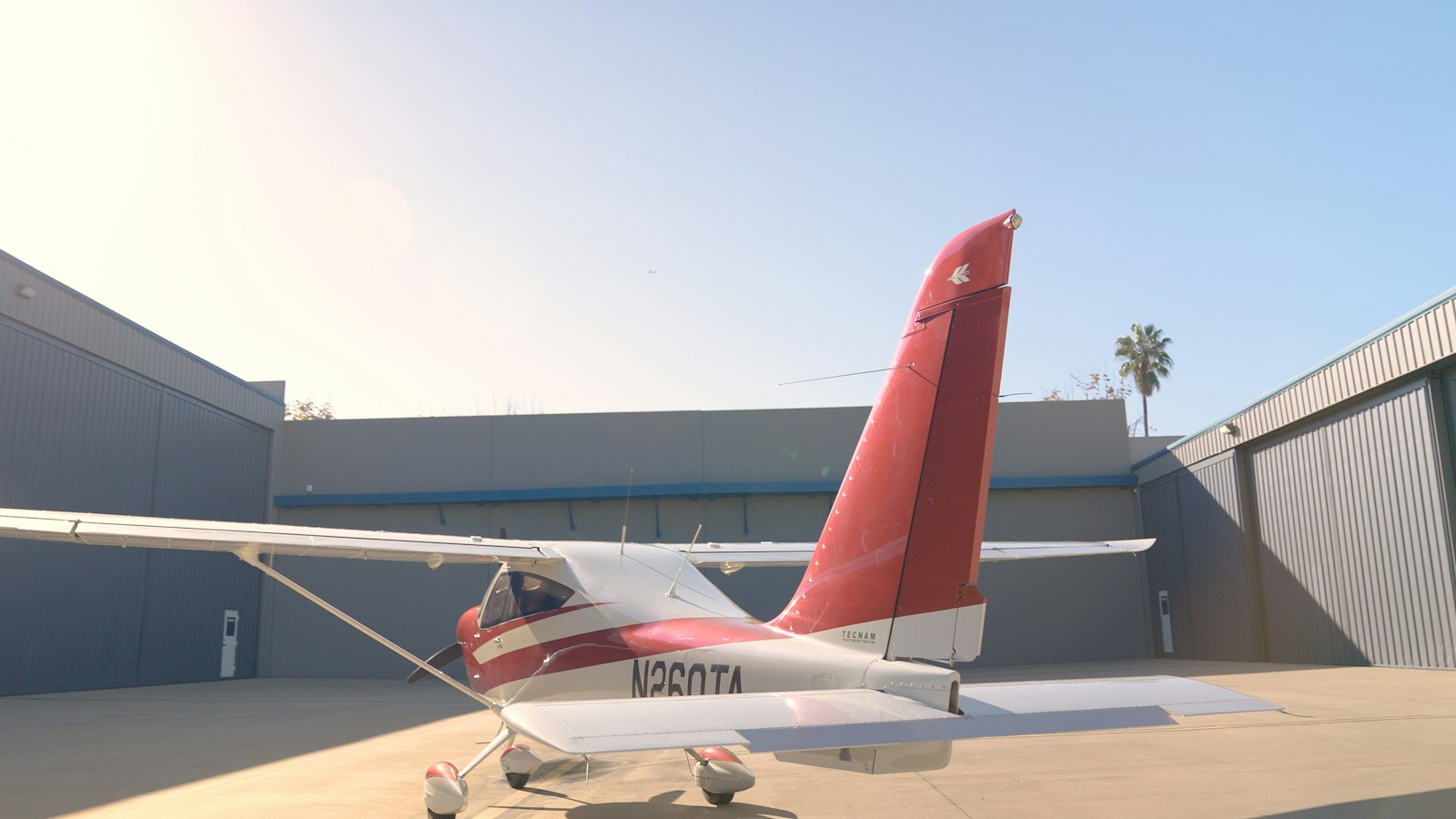
Photo by Horizon flights on Unsplash
Every aviation shop I talk to tells a version of the same story. The work was signed off, the logbook entry was made, the aircraft was released, and then the invoice went quiet. Six weeks later the plane is based two states away, the phone number on the work order rings to a management company that says it only handled scheduling, and the name on the registration is an LLC nobody at the shop has ever spoken to.
That is what makes aviation receivables different. In most industries the collateral sits still and the customer is the company that ordered the work. In aviation the collateral has wings, and the party who ordered the work, the party who operates the aircraft and the party who legally owns it are frequently three different entities. Get that sorted early and an aviation account is very collectable. Leave it and you are chasing a moving target through a paper trail you never built.
Key takeaways- The entity on the work order is often not the registered owner. Aircraft are commonly held in single purpose LLCs or owner trusts, so confirm who you are actually extending credit to before the wrench turns, not after.
- The FAA runs a public aircraft registry. An N number gives you the owner of record for free, and recorded documents against that aircraft are available from the Registry in Oklahoma City.
- Federal law requires the FAA to record conveyances and security instruments affecting US civil aircraft, engines and propellers above set power ratings, and air carrier spare parts. Recording is federal. The lien itself is usually created by state law, and state law varies.
- An aviation account that is still on the ramp where you can talk to somebody is a different account from one that has relocated. Time matters more here than in most trades.
- The file wins the claim: signed work order, approved estimate and any change orders, parts documentation, the logbook entry, the release, and proof of who requested and who accepted the work.
Why do aviation invoices go unpaid more often than other B2B invoices?
Direct answerBecause the aircraft, the operator and the registered owner are often separate parties, and shops usually open the account with whoever walked in. When the invoice ages, each party can point at another, and the asset that would normally anchor the relationship has already flown somewhere else.
It is rarely fraud. Most of the time it is structure.
A typical general aviation account has a management company arranging maintenance, a charter operator flying the aircraft, and a holding LLC on the registration whose only asset is the airplane. Each of those is a real party with a real role, and none of them thinks the invoice is theirs. The shop opened a customer account under whichever name was given at drop off, and that name may have no obligation to pay and no money if it does.
The second driver is the nature of the work. Aviation invoices spike. A routine annual turns into a repair when something is found opened up, and a four figure expectation becomes a five figure invoice. The customer who agreed to the estimate is not the customer looking at the final bill, emotionally speaking, and disputes that were never raised during the work surface the moment payment is due.
The third is that release is leverage, and once it is gone it is gone. A shop that releases an aircraft has handed back the only physical thing it had. That is often the right commercial call, because holding an aircraft carries real risk of its own. It just means the collection strategy has to start earlier than most shops think.
Who actually owes you when the owner is an LLC or a trust?
Direct answerWhoever agreed to pay, which is a question about your paperwork rather than about the registration. The signed work order and the approved estimate name your customer. If the only name in the file is a management company that says it acted as an agent, that is the gap, and it needs closing before the next job rather than after.
This is the single most useful hour a shop can spend on receivables, and it happens before any invoice goes out.
Open the account on a credit application that names an entity and a person. Get the work order signed by somebody with authority to bind that entity. If a management company is placing the order on behalf of an owner, decide deliberately whether your customer is the management company or the owner, write it down, and have the paperwork match that decision. A management company signing “as agent for owner” and a management company signing as the customer are two completely different accounts, and the difference only becomes visible when somebody stops paying.
The owner trust structure trips people up because it looks evasive and usually is not. Aircraft are held in trust for ordinary reasons including citizenship requirements and financing, and the trustee on the registration may have nothing to do with the operation. It still matters: a trustee is not automatically on the hook for a bill they never authorized.
The practical version of this rule: if you cannot name, in one sentence and from your own file, the legal entity that promised to pay you, the account is not ready to be worked and it is certainly not ready to be placed.
How do you find out who owns an aircraft you worked on?
Direct answerStart with the N number. The FAA Civil Aviation Registry publishes a free public Aircraft Inquiry that returns the owner of record, address and registration status, updated every federal working day. Recorded documents against that aircraft are held by the Registry in Oklahoma City and can be requested.
This is the part of aviation collections that is genuinely easier than other industries, and most shops never use it.
The FAA Aircraft Inquiry lets you search by N number, by registered owner name, and by serial number. For an account that has gone quiet it tells you three useful things quickly: whether the registration is still current, whether the registered owner is the same party you invoiced, and whether the aircraft has changed hands since your work was done. A registration that moved to a new owner two weeks after your invoice date changes the whole shape of the claim, and you want to know that in week three rather than month six.
The Registry also holds the recorded documents for each aircraft, where security interests and other recorded instruments live. Those records sit with the FAA Aircraft Registration Branch at the Mike Monroney Aeronautical Center in Oklahoma City, and copies can be requested. On a large balance that is worth doing before you decide how hard to push.
One caution. The registry tells you the owner of record. It does not tell you who agreed to pay you, and it does not create a claim against an owner who never authorized your work. It is an investigative tool, not a shortcut past the paperwork problem above. Used properly it also does something most shops undervalue: it tells you where the aircraft is based now, which tells you who you are really dealing with.
What is a mechanic’s lien on an aircraft, and how does the FAA fit in?
Direct answerThe lien itself is generally created by state law, and states differ considerably on who gets one, what it covers and how long it lasts. Federal law then requires the FAA to record instruments affecting US civil aircraft so that interests are searchable in one national place. Recording and creating are two different steps.
Shops conflate these constantly, so it is worth separating them plainly.
Under 49 U.S.C. 44107, the FAA Administrator has to maintain a system for recording conveyances that affect an interest in US civil aircraft, along with leases and security instruments covering aircraft engines of at least 550 rated takeoff horsepower, propellers capable of absorbing at least 750 rated takeoff shaft horsepower, engines and appliances held for installation by certificated air carriers, and air carrier spare parts. It also covers the releases and satisfactions that close those instruments out. That is the national recording layer, and it is why an aircraft title search is a real thing in a way that a truck title search is not.
What that federal system does not do is hand a repair shop a lien. Whether your shop has a lien for unpaid labor and parts, what it attaches to, whether you had to retain possession to perfect it and how quickly it expires are questions of the law of a particular state, and the answers are genuinely different from state to state. Some states are generous to repairers. Some tie the lien tightly to possession, which is precisely the leverage you gave up at release.
Two practical consequences. First, if you are going to rely on a lien, find out what your state requires before you release the aircraft, not after. Second, deadlines here are short and unforgiving, which is the same trap that catches contractors and suppliers on construction lien deadlines: an account you have been politely reminding for five months may have already passed the point where the strongest tool was available.
None of this is legal advice and laws vary. Verify anything state specific against that state’s own statute, and talk to counsel before you rely on a lien position.
How long should you wait before placing an unpaid aviation account?
Direct answerShorter than you are waiting now. Aviation accounts decay faster than most because the aircraft, the operator and sometimes the registration all move. If a commercial account has not produced a payment or a dated commitment by sixty to ninety days past due, it belongs in a formal process rather than another reminder email.
Recovery odds fall as an account ages in every industry. Aviation adds its own clock on top of that.
The aircraft relocates, so the local relationship that would have solved this over a coffee is gone. The management contract turns over, and the person who knew what was authorized leaves. The registration changes, and now a buyer is in the picture with their own view about a bill they did not incur. None of that is visible from your aging report.
A workable sequence for a shop:
- Invoice at release with the signed work order attached, not a bare total.
- Statement and a real phone call at fifteen days, to the person who signed, not to the general accounts inbox.
- At thirty days, run the N number and confirm the registration and base have not changed. Put the result in the file.
- At forty five days, a written demand that states the work, the authorization and a payment date.
- At sixty to ninety days with no payment and no dated commitment, place it.
Dates rather than discretion. The reason shops wait is almost never that waiting is the better play. It is that nobody wants to be the one who decides a customer has stopped being a customer, so the decision keeps getting deferred until the calendar makes it for them.
What should be in the file before you place an aviation claim?
Direct answerThe signed work order, the approved estimate and every change order, parts invoices and traceability for what you installed, the maintenance logbook entry, the release, and clear evidence of who requested the work and who accepted the aircraft back. Add the current FAA registration result and any correspondence where the balance was acknowledged.
Aviation claims are won on documentation more than on argument, because the disputes that surface are almost always about authorization and scope rather than about whether the work happened.
A file that answers “who told you to do this, what did they approve, what did you do, and who took the aircraft back” is a strong file. A file with an invoice and a friendly email chain is not, however obviously the money is owed.
Two additions matter specifically here. Keep parts traceability with the claim, because a challenge to a parts line is common and easy to defeat with documentation you already generated for airworthiness reasons. And keep any written acknowledgment of the balance, however casual: a customer who confirmed the amount in writing has a much harder time reconstructing a dispute six months later.
Our commercial debt collection services take claims from $1,000 to hundreds of thousands of dollars, ideally under 120 days past due, worked on contingency so there is no fee unless we collect. Consumer accounts are not what we do. If you are choosing an agency for aviation work, ask how they handle the ownership question above, because an agency that starts by calling the name on the invoice gets exactly as far as your own team already did.
Sitting on an unpaid maintenance or FBO invoice?
Send Sven the invoice, the signed work order and the N number. Commercial (B2B) claims only, worked on contingency, so there is no fee unless we collect. You will get a straight read on who is actually on the hook and whether the account is still worth pushing.
Prefer the phone? 866-341-6316. Or schedule a free consultation online.
Frequently asked questions
Does an aviation collection agency need to be different from a general B2B agency?
It needs to handle the ownership question first. An aviation account frequently has a management company, an operator and a registered owner who are separate entities, so an agency that simply calls the name on the invoice repeats the work your own team already did. The useful difference is investigative, not industry branding.
Can I look up who owns an aircraft for free?
Yes. The FAA Civil Aviation Registry publishes a public Aircraft Inquiry that returns the owner of record, address and registration status by N number, owner name or serial number, and it is refreshed every federal working day. Recorded documents against a specific aircraft are held by the Registry in Oklahoma City and can be requested separately.
Do I still have a claim if I already released the aircraft?
You still have a claim on the debt. What you may have given up is a possessory lien position, because several states tie a repairer’s lien to holding the property. Whether that applies to you depends on your state’s statute, so check it before release rather than after, and treat this as a reason to move earlier rather than a reason to give up.
How old is too old for an unpaid aviation invoice?
There is no single cut off, but aviation accounts decay faster than most because the aircraft, the operator and sometimes the registration all move. Anything past ninety days with no payment and no dated commitment should be in a formal process. Past a year, expect the ownership picture to have changed at least once.
What about unpaid hangar rent and ramp fees rather than maintenance?
The collection work is similar and the documentation is different. A hangar or ramp account turns on the lease or tenancy agreement, the rate schedule and the dates of occupancy rather than on a work order. The same ownership question applies, because the entity that parked the aircraft may not be the entity on the registration.